Overview
TORCH Engine is the AI core of MATEXT.
Developed according to the standards of our photographic workflows, it acts as a development hub where new modules will be progressively released.
Model Training quick Overview
Our AI models are trained exclusively on our own photographic datasets.
Each dataset is produced in controlled conditions, following the same standards used in our professional material acquisition workflows.Model training consists of exposing a neural network to thousands of high resolution image samples, allowing it to learn recurring visual structures, surface details, and material behaviors. Through iterative optimization, the model progressively refines its internal parameters to accurately reproduce these patterns.
Training Data & Legal Compliance
All AI models used in MATEXT are trained exclusively on proprietary content.
The photographic datasets are produced in house and fully owned by MATEXT.No third party images, scraped data, or external datasets are used during training.
This ensures full compliance with copyright regulations and guarantees that all generated outputs are free from licensing conflicts and safe for commercial use.
Learn more
PBR Maps (overview)
PBR Maps is dedicated to the generation of PBR maps for CGI workflows.
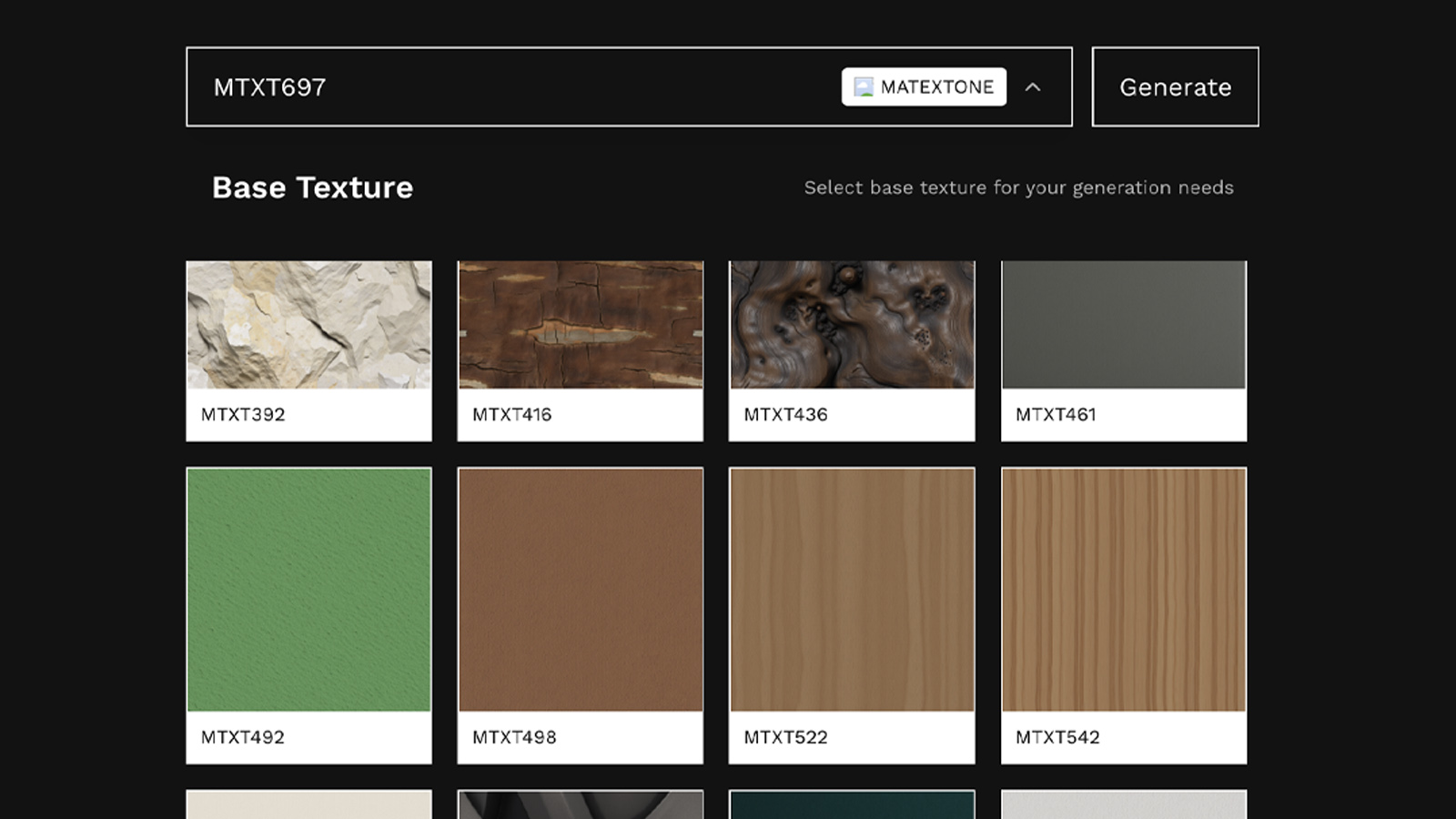
1. Select the model base you want to use.
2. Generate the material. This will create a unique set of PBR maps, available for download as a .zip in 2K, 4K, or 8K resolution.
Each generated material is automatically added to My Materials.
PBR Maps (specifications)
Each generation produces five distinct PBR maps, named using a specific convention.
Example:
p1_508461540782041_mtxtone_original_seamless_8k_mtxt725
Naming breakdown:
p1_508461540782041
Seed identifier. It guarantees the uniqueness of the generated material.
mtxtone
MATEXT model used for generation.
original_seamless
Map type.
8k
Output resolution.
mtxt725
Photographic dataset used during training.
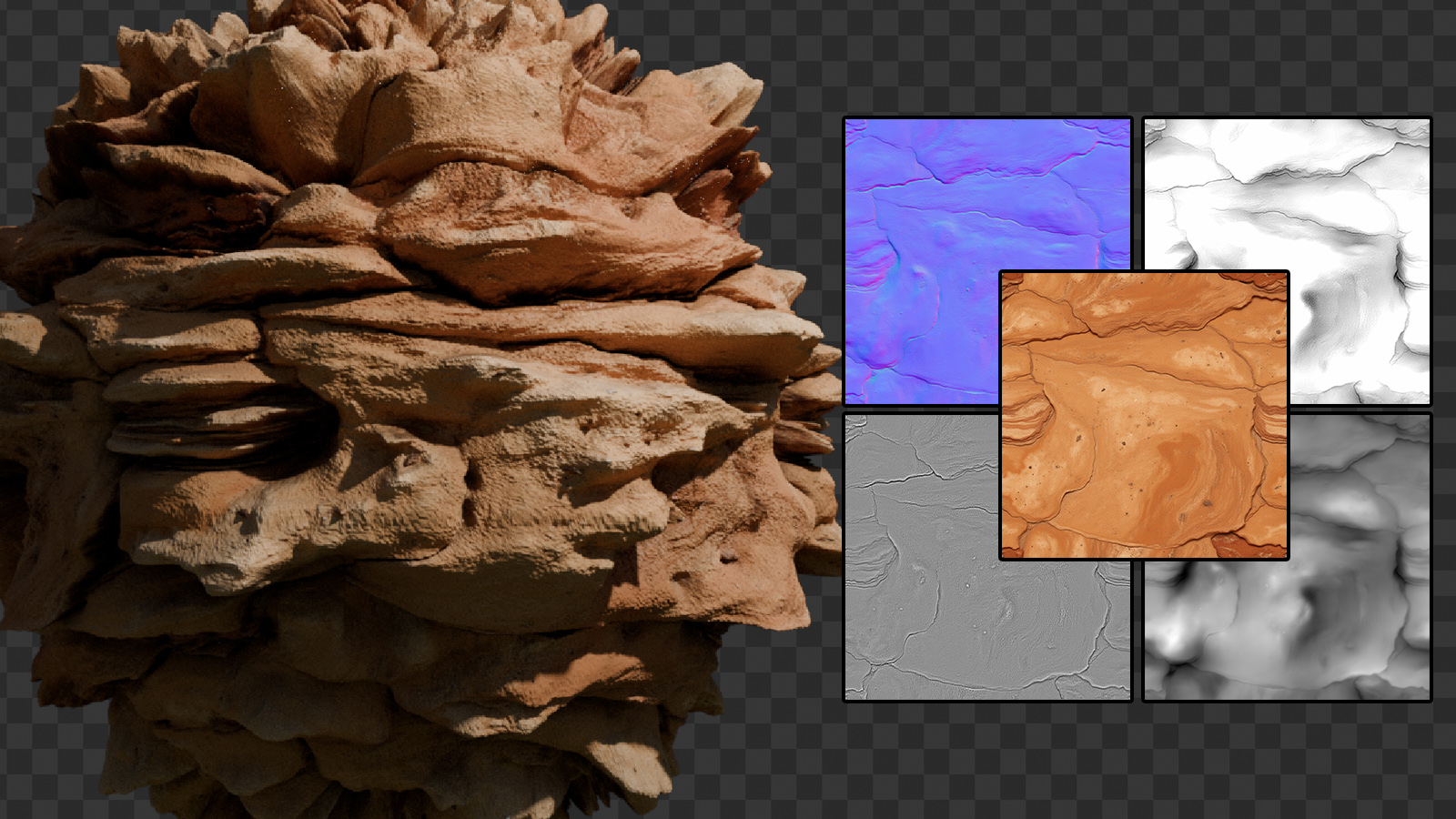
Generated Map Types
- original_seamless
Serves as the color base of the material.
The term basecolor is intentionally not used, as this map may contain subtle lighting or shadow information. It represents the primary colorimetric data extracted from the photographic source.
- normal
Normal map used to simulate surface detail and light interaction without additional geometry.
- curvature
Encodes surface convexity and concavity.
This map is commonly used for edge wear, mask generation, or procedural effects in shading workflows.
- height
Represents surface elevation information.
Can be used for displacement, parallax mapping, or additional surface depth depending on the rendering pipeline.
- sharp
High frequency detail map.
It can be repurposed as a roughness map, metallic map, or ignored entirely depending on the use case.

.svg)